SF Chronicle photo

Dairy cows’ greenhouse gas emissions cut by 52% after eating seaweed at Bay Area farm

San Francisco Chronicle

Photo courtesy Alvin A.H. Jornada/Special to The Chronicle

By Tara Duggan

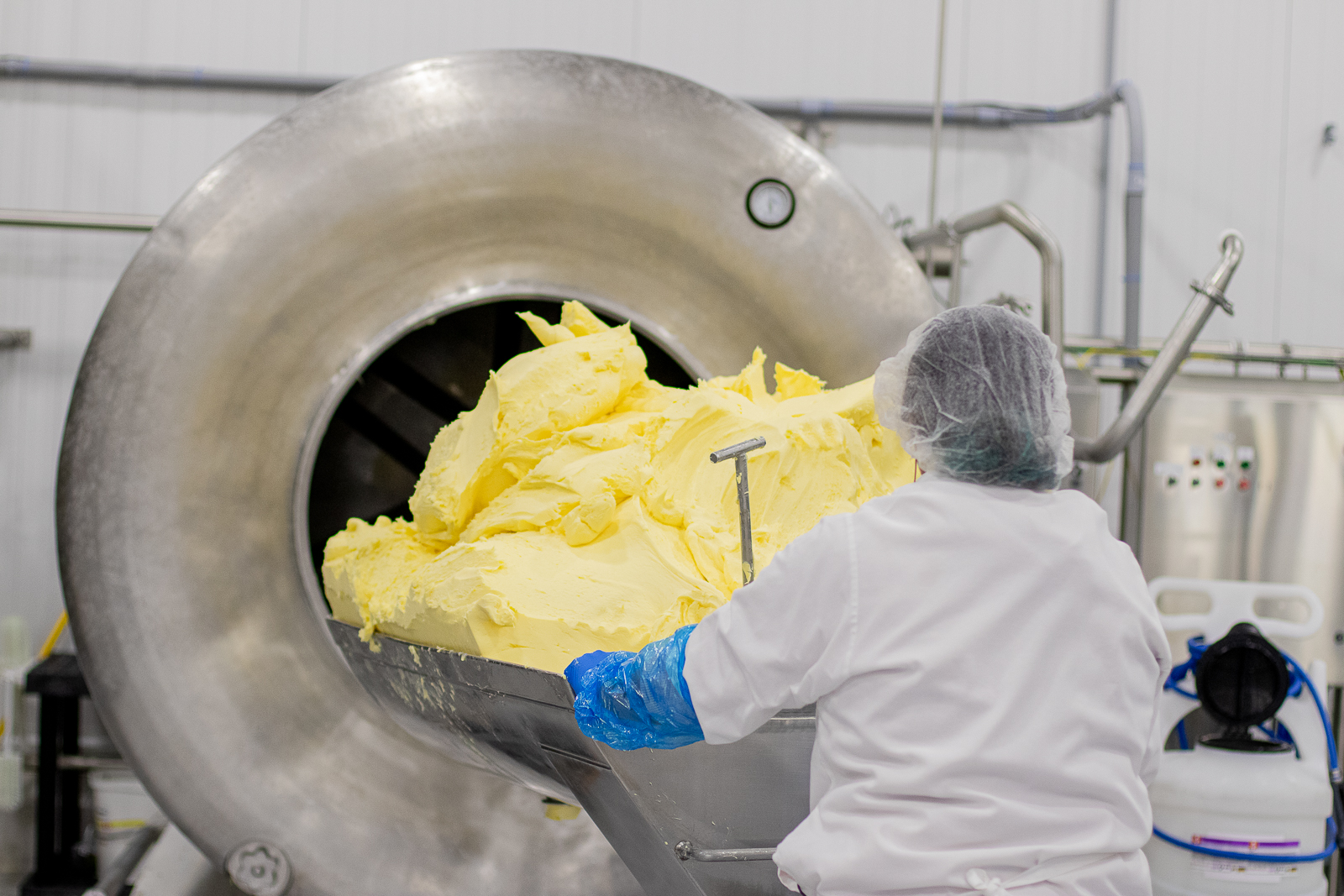
At a Marin dairy farm this summer, cows got a little something extra in their organic hay and alfalfa: a sprinkle of seaweed powder that holds promise for helping the state achieve ambitious climate goals.

The cows were part of the first commercial trial to determine how adding red seaweed to their diet cut down on the amount of methane, a potent greenhouse gas, the bovines release in their burps. Conducted this summer at a Marin County farm that supplies milk to Straus Family Creamery in Petaluma, the trial backed up earlier academic studies from UC Davis by finding that the cattle’s methane emissions went down by an average of 52% over 50 days.

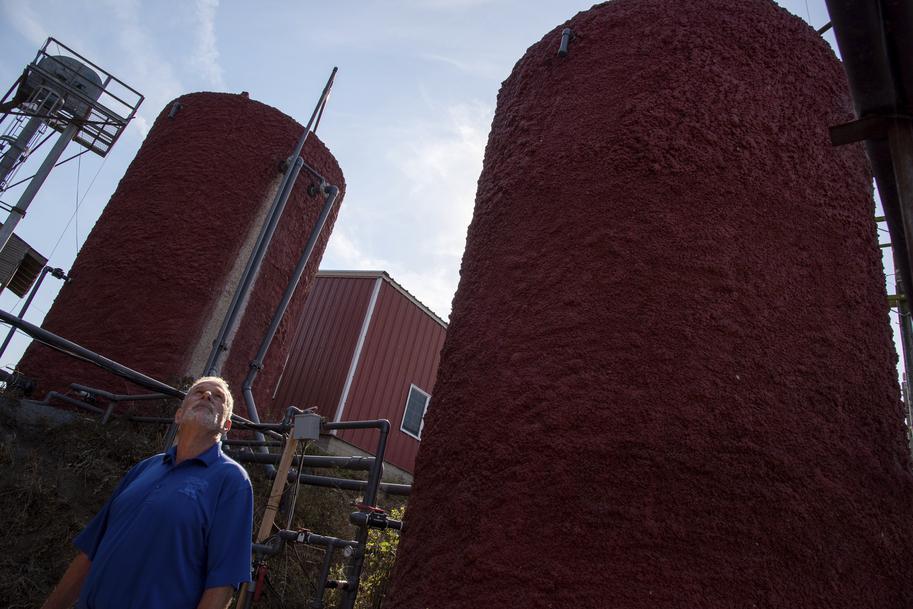
We validated what the research had shown and did it in a real trial that was relevant to dairy farms across the country — actually throughout the world,” said Albert Straus, founder and CEO of Straus Family Creamery, which sponsored the trial with Blue Ocean Barns, a company that grows red seaweed in Hawaii and San Diego.
Read full article


Related Posts

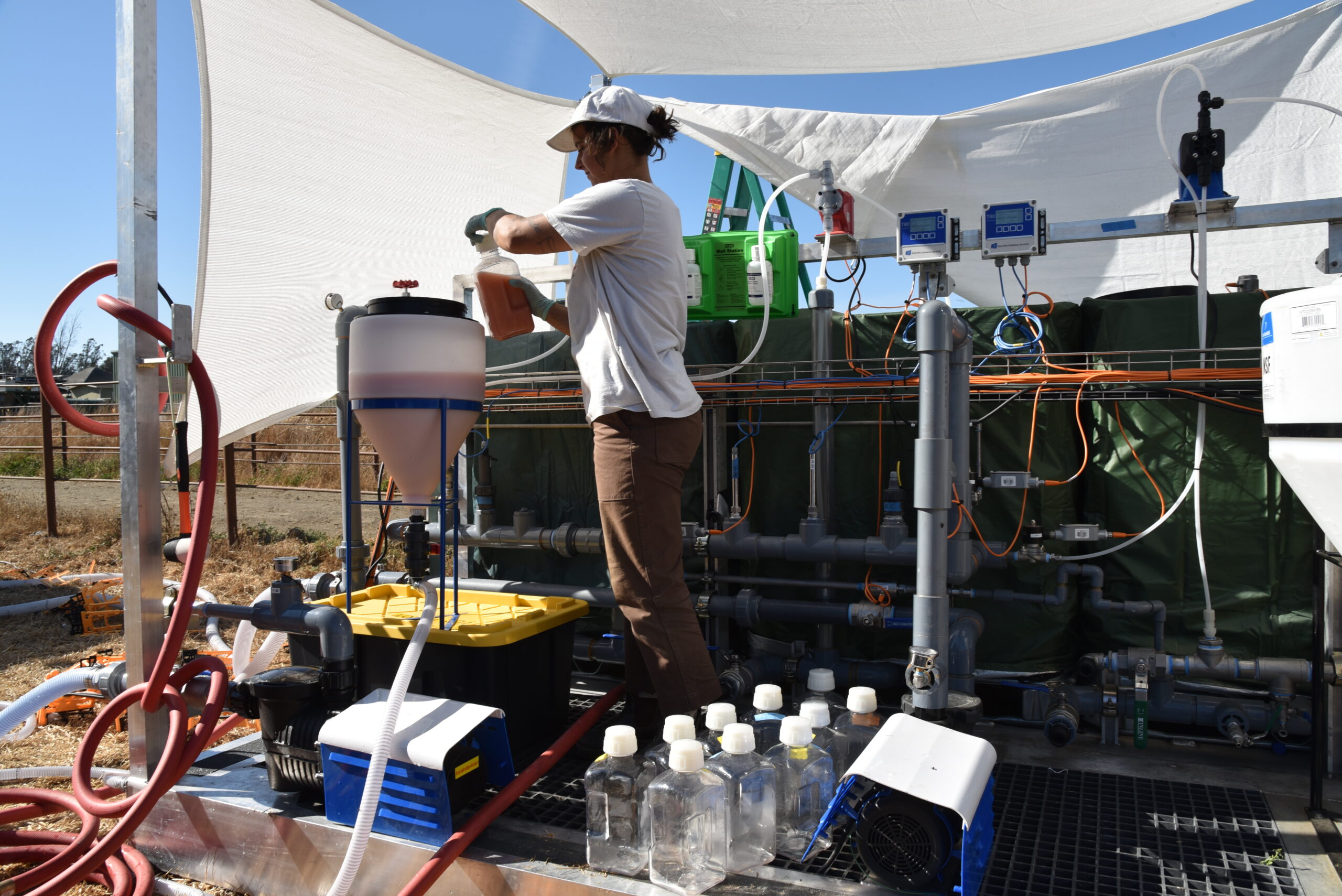
A person wearing a hat, gloves, and work clothes stands at an outdoor research station at Correia Family Dairy, pouring a reddish liquid into a large funnel-shaped container connected to hoses and pipes. Several plastic sample bottles sit on the ground nearby, and shade cloths overhead provide cover. The setup includes pumps, tubing, and monitoring devices, suggesting a water, soil, or nutrient treatment experiment.

These very hungry microbes devour a powerful pollutant

PETALUMA, Calif. — The cows had to be deterred from messing with the
experiment.

Researchers from a Bay Area technology company had come to the sprawling
dairy farm north of San Francisco to test an emerging solution to planetwarming emissions: microscopic pink organisms that eat methane, a potent
greenhouse gas.

Kenny Correia, 35, of Correia Family Dairy, watched the team from Windfall Bio
working near the lagoons used to store manure from the farm’s several hundred
cows. The researchers erected a futuristic system of vats, pipes, tubes and shiny
metal supports. Then, when everything was assembled, they poured pink liquid
into one of the vats. “They were looking like mad scientists out there,” Correia
recounted.

He acknowledged initially thinking it was a “crazy idea” to integrate an outdoor
laboratory into a working farm. There was the potential for the cows to “be all
over it — licking it, pulling out wires and scratching on it,” he said.
But livestock farms are a significant source of methane emissions, and Windfall
wanted to see how much the microbes could help.

Read More »