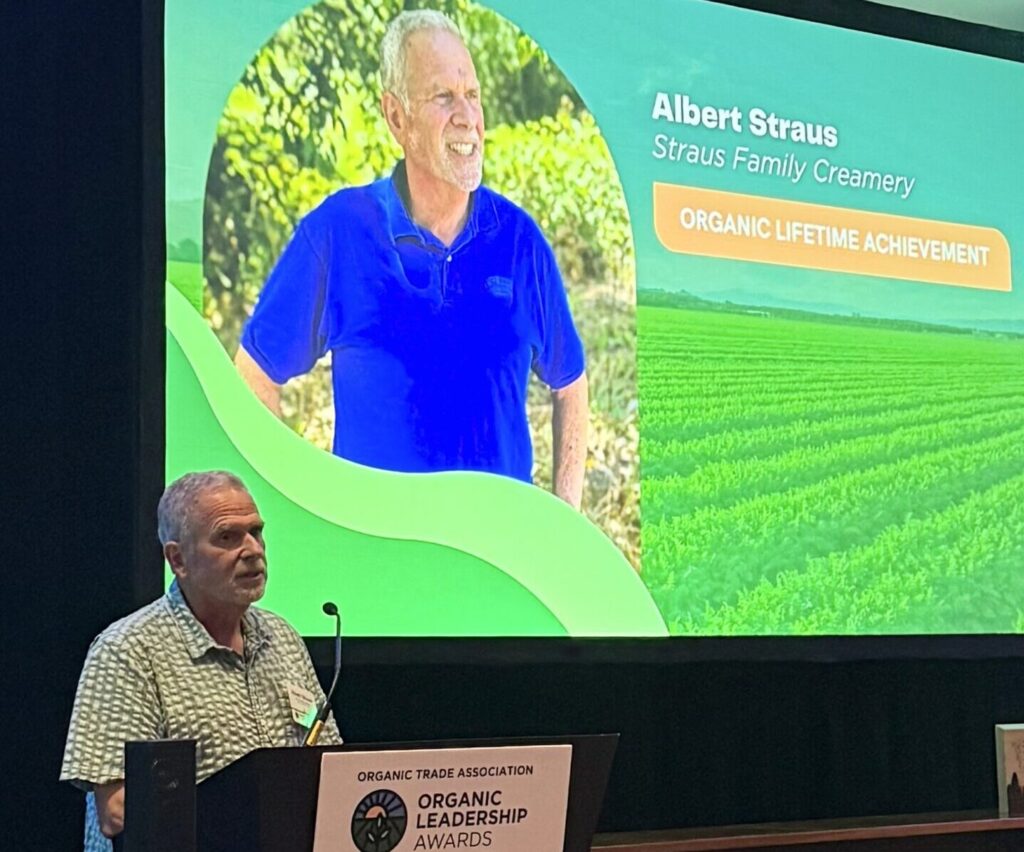
Washington, D.C. (September 16, 2025) – The Organic Trade Association (OTA) honored eight individuals for their longstanding commitment to advancing the organic movement during last night’s annual leadership awards event. Held at OTA’s annual Organic Week conference, the award ceremony recognized leaders for driving and sustaining the growth of the organic industry on farms and in their communities, while prioritizing the benefits to people and the planet.
The distinguished 2025 Organic Leadership Award Honorees are:
- Organic Champion: The Honorable Russell Redding, Pennsylvania Secretary of Agriculture
- Organic Lifetime Achievement: Albert Straus, Straus Family Creamery; and David Lively, Organically Grown Company
- Organic Farmers of the Year: Chris and Marcie Baugher, Baugher Ranch Organics
- Organic Environmental Leadership: Charlotte Vallaeys, Principal, Vallaeys Consulting LLC
- Organic Trailblazer: Nicole Atchison, CEO, PURIS
- Organic Social Impact: Tony Bedard, CEO, Frontier Co-op
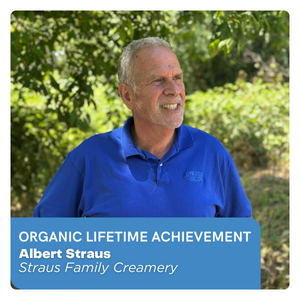
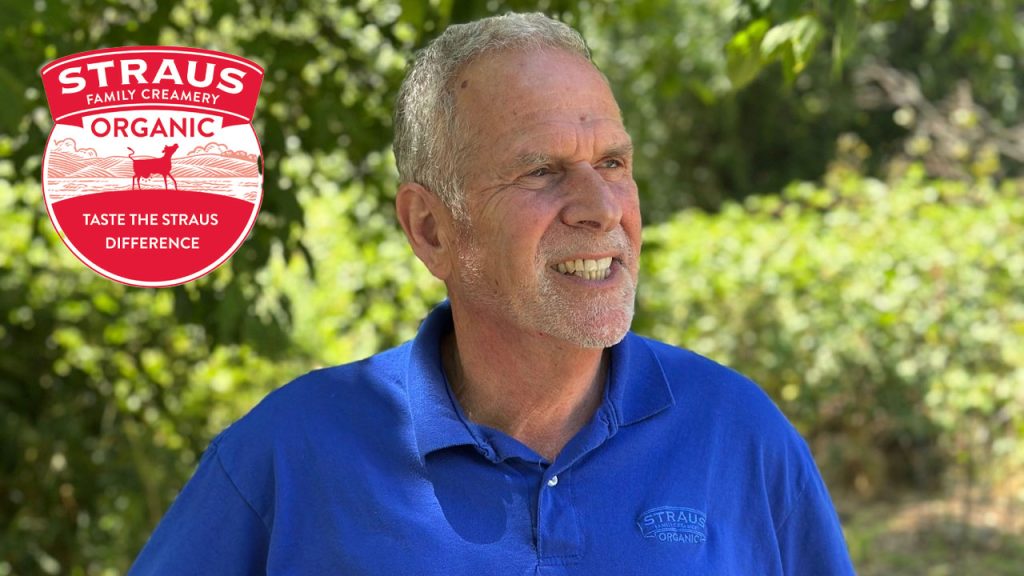
Albert Straus
Organic Lifetime Achievement Award
The Lifetime Achievement award recognizes trade association members who have dedicated their careers to the furtherance of organic agriculture and trade by providing a broad vision, successful solutions, and the labor and leadership required to bring the mission into reality. Albert Straus and David Lively are examples of just those qualities.
A second-generation farmer, Albert is a pioneering force in sustainable organic dairy farming. Having spent more than three decades producing award-winning organic dairy products, Albert has helped transform the food system through ecological practices, farm viability, community preservation, and climate innovation. In 1994, he transitioned his family’s Straus Dairy Farm to become the first certified organic dairy west of the Mississippi and founded Straus Family Creamery, the nation’s first 100% certified organic creamery.
On the farm, he was among the first in California to install a methane digester and the first to develop a carbon farm plan on a U.S. dairy. Today, Straus Dairy Farm is advancing a carbon-neutral organic dairy farming model, aiming for net-neutral emissions across all 13 of Straus Family Creamery’s supplying farms by 2030. Named one of Fast Company’s Most Creative People in Business, Albert continues to lead with a visionary, farmer-first approach to building a regenerative food and agriculture system.
“I am truly honored to receive this award. My lifelong mission is to create a replicable organic dairy farming model that sustains family farms, fosters the next generation of farmers, and revitalizes rural communities — all made possible by producing high-quality, delicious organic products that nourish people and positively impact our planet.”
Learn more from the Organic Trade Association