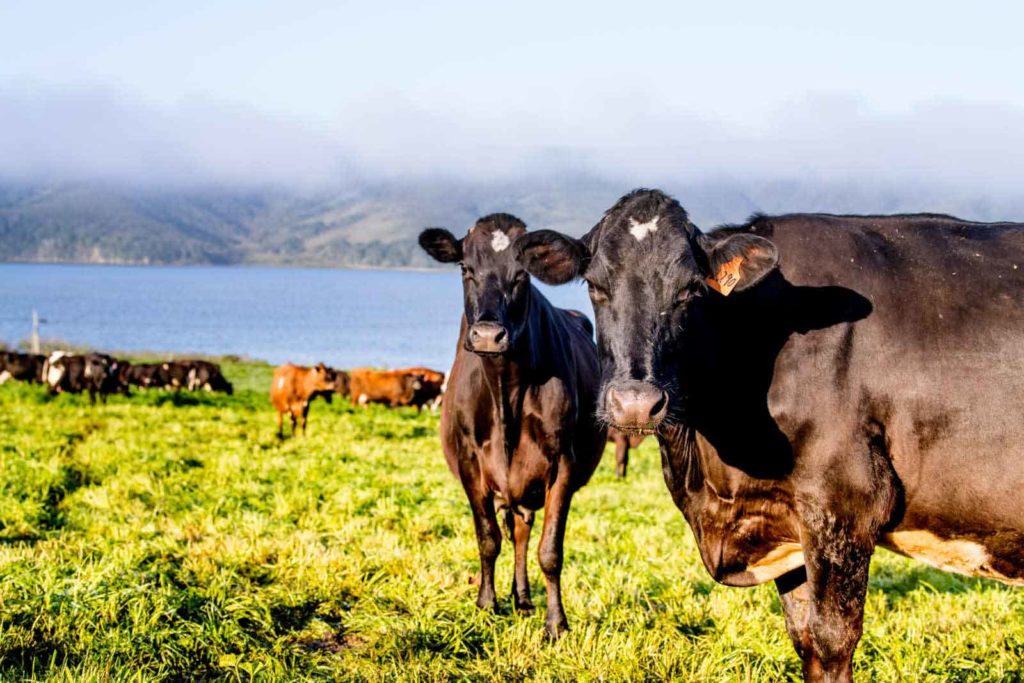
2 black cows looking into the camera

The Biggest Food And Drink Trends For 2020

HuffPost

You probably make a shopping list before you head to the supermarket. Since we’re heading into a new year, we thought it’d be fun to find out what foods and drinks will likely be on your shopping list in 2020.

….

Environmentally Conscious Foods And Drinks

Many of the trends for 2020 focus on your health and well-being. But there’s also increasing concern for the world.

“Consumers have expectations around how their food’s grown, where it’s coming from and what it’s doing to better our world,” Landrieu said. Now, brands that are following regenerative agriculture practices will be more specific in labeling. “You’ll see a greater window into the product itself rather than just ‘grass-fed,’” Abbott said.

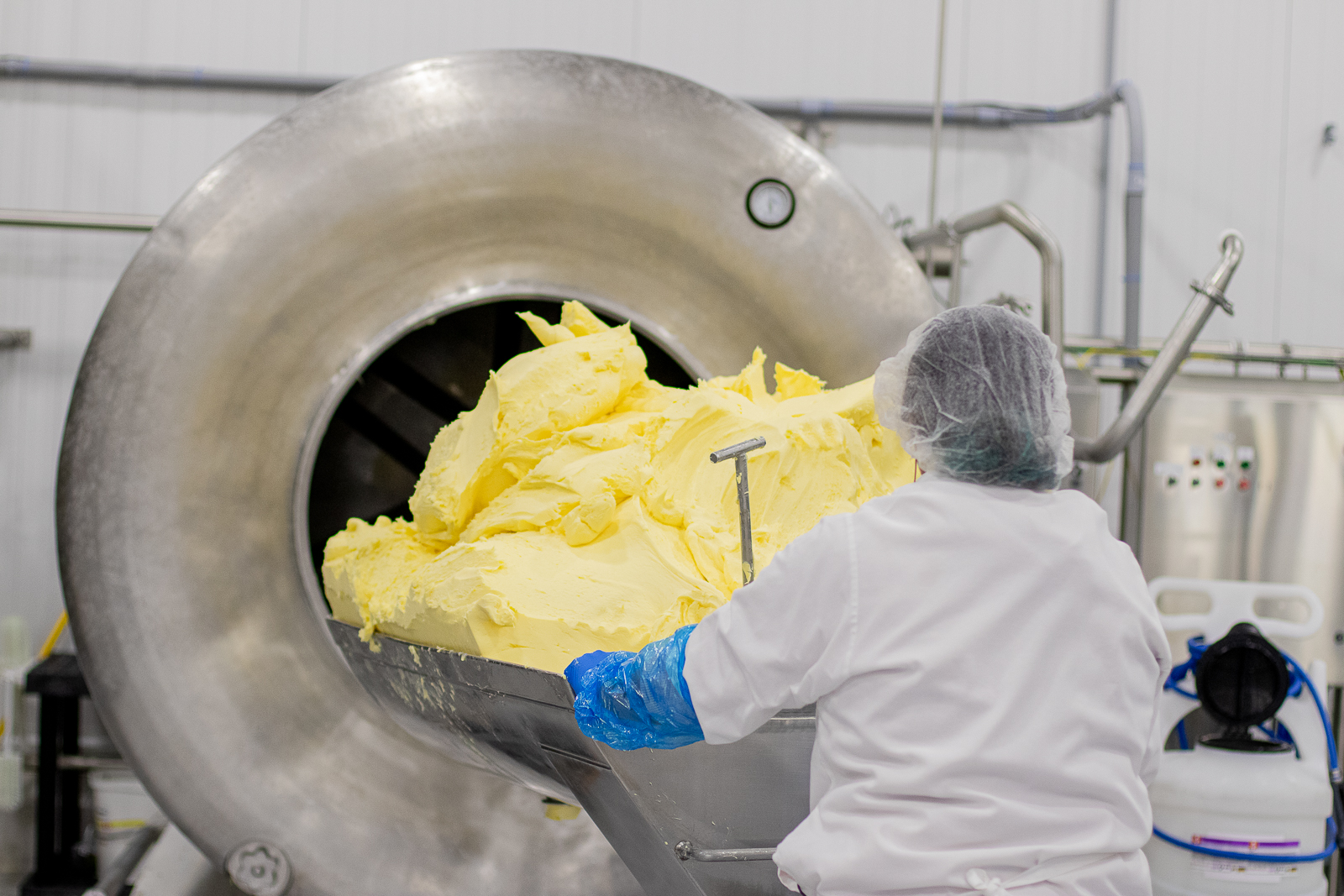
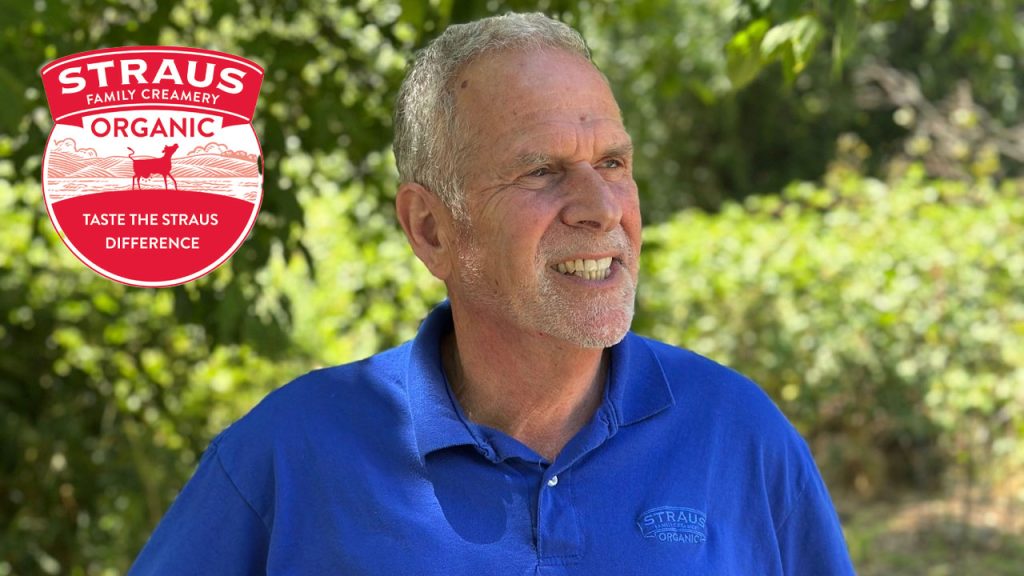
Landrieu noted that brands like Straus Family Creamery are aiming to be carbon-neutral in the coming years, and also highlighted Bonterra Wine’s environmentally friendly work. “They’re bringing regenerative agriculture practices into the winemaking world by planting cover crops, encouraging natural pest practices and adding owl and bird boxes,” she said. “They’ve won some awards for that work too. And in the process, they make some pretty great wine.”
Read full article

Related Posts

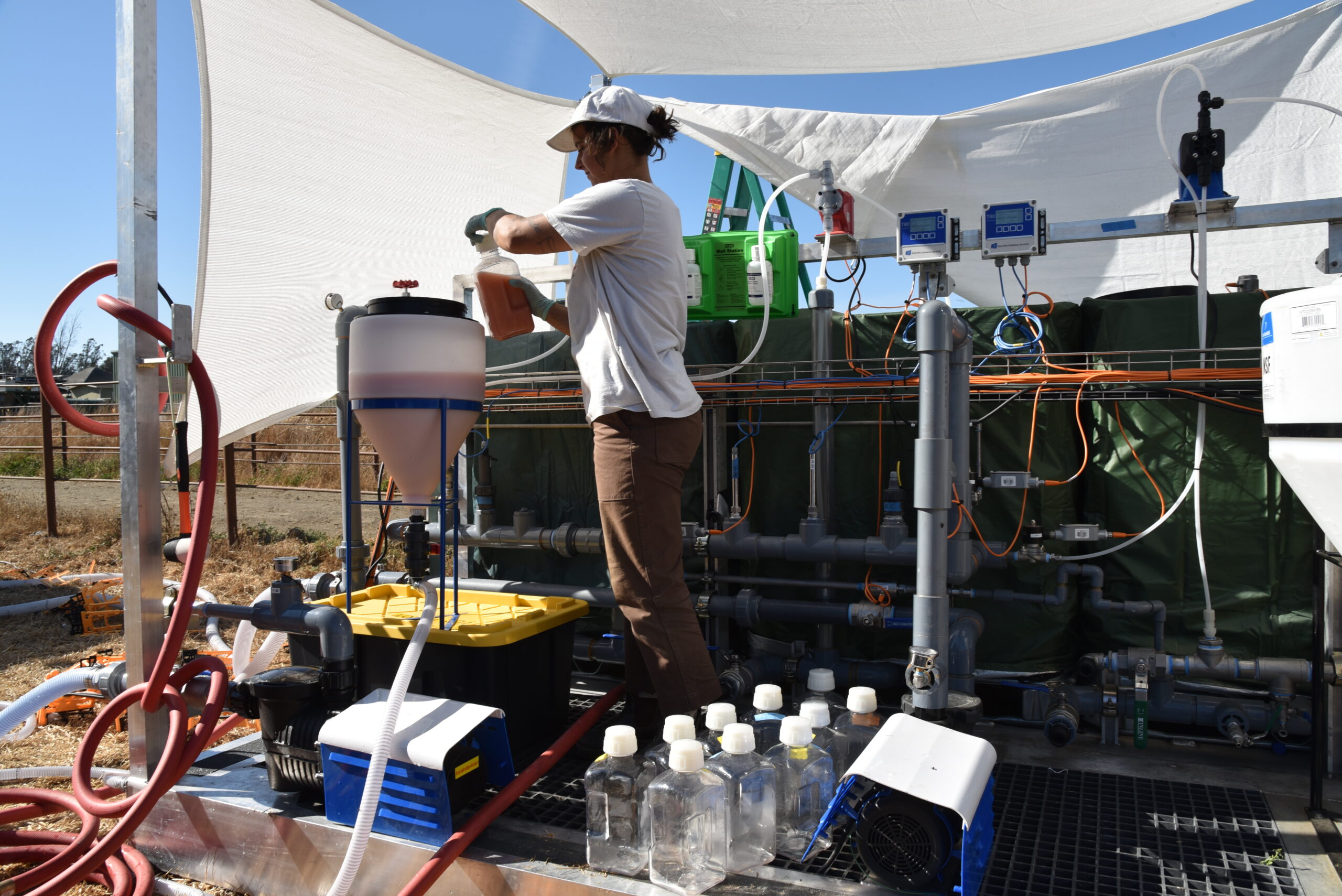
A person wearing a hat, gloves, and work clothes stands at an outdoor research station at Correia Family Dairy, pouring a reddish liquid into a large funnel-shaped container connected to hoses and pipes. Several plastic sample bottles sit on the ground nearby, and shade cloths overhead provide cover. The setup includes pumps, tubing, and monitoring devices, suggesting a water, soil, or nutrient treatment experiment.

These very hungry microbes devour a powerful pollutant

PETALUMA, Calif. — The cows had to be deterred from messing with the
experiment.

Researchers from a Bay Area technology company had come to the sprawling
dairy farm north of San Francisco to test an emerging solution to planetwarming emissions: microscopic pink organisms that eat methane, a potent
greenhouse gas.

Kenny Correia, 35, of Correia Family Dairy, watched the team from Windfall Bio
working near the lagoons used to store manure from the farm’s several hundred
cows. The researchers erected a futuristic system of vats, pipes, tubes and shiny
metal supports. Then, when everything was assembled, they poured pink liquid
into one of the vats. “They were looking like mad scientists out there,” Correia
recounted.

He acknowledged initially thinking it was a “crazy idea” to integrate an outdoor
laboratory into a working farm. There was the potential for the cows to “be all
over it — licking it, pulling out wires and scratching on it,” he said.
But livestock farms are a significant source of methane emissions, and Windfall
wanted to see how much the microbes could help.

Read More »