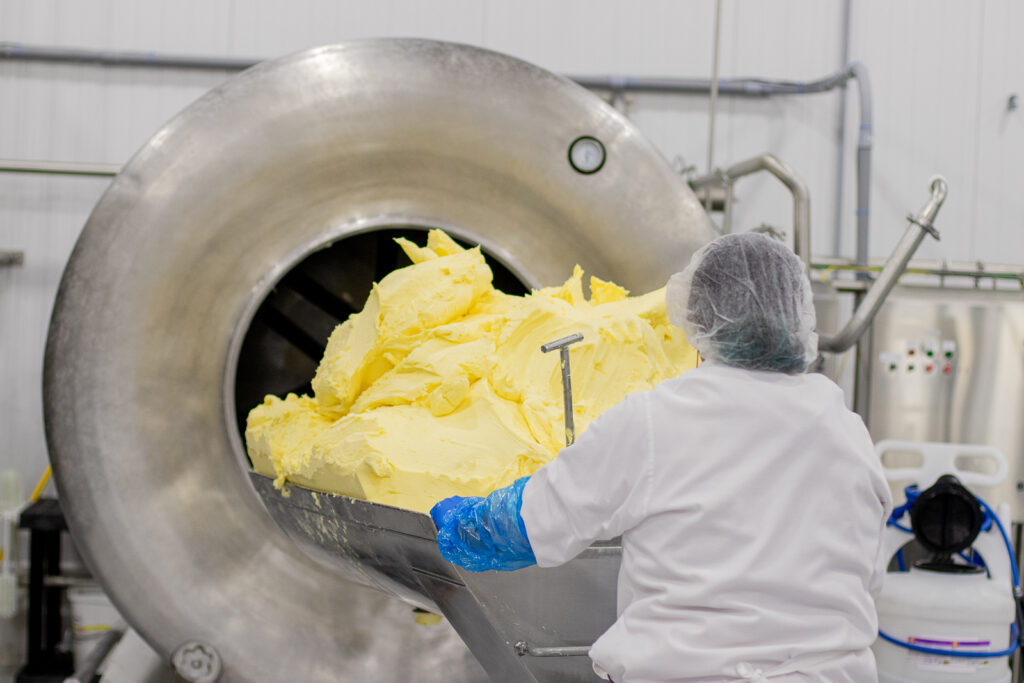
Straus butter churn

The Latest Little Luxury: Fancier, Fattier Butter

Bloomberg

Elsewhere in the grocery store, shoppers are on the hunt for bargains. But sales of high-priced premium butter are growing.

By Kristina Peterson

Many butter aficionados in the US first encountered higher-fat butters during vacations in Europe and would load up before their flights home.

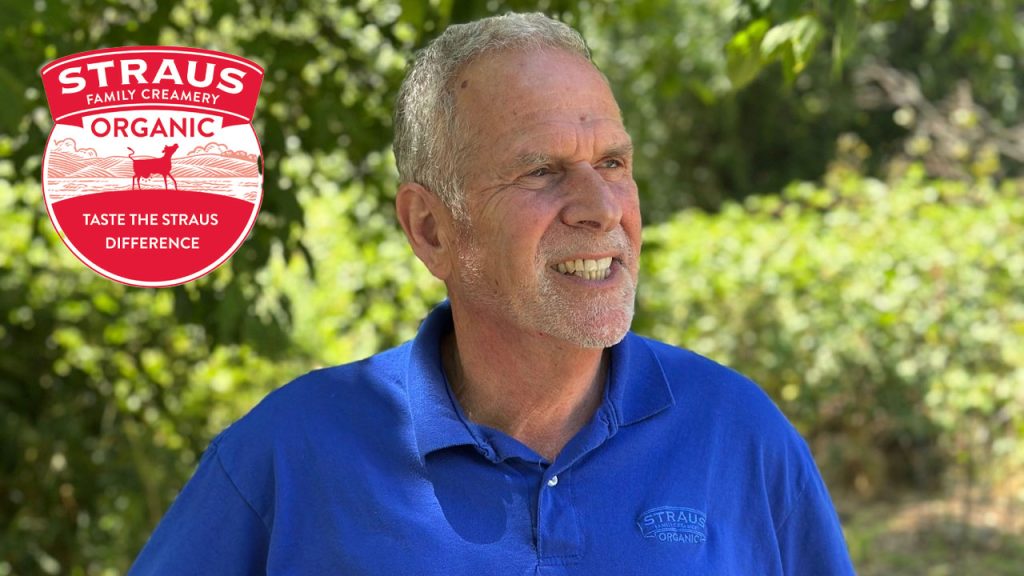
In the 1990s, Straus Family Creamery in Northern California started making a butter with 85% butterfat at the request of Chez Panisse founder Alice Waters, who wanted a product comparable to what she’d tasted in France, said Meryl Marr, Straus’ vice president of marketing. In the US, most butter was made with 80% butterfat.

“We’ve raised prices and people are still demanding it,” she said. To this day, the organic butter is still made with an antique butter churn, limiting production.
Read the full article from Bloomberg.

Related Posts

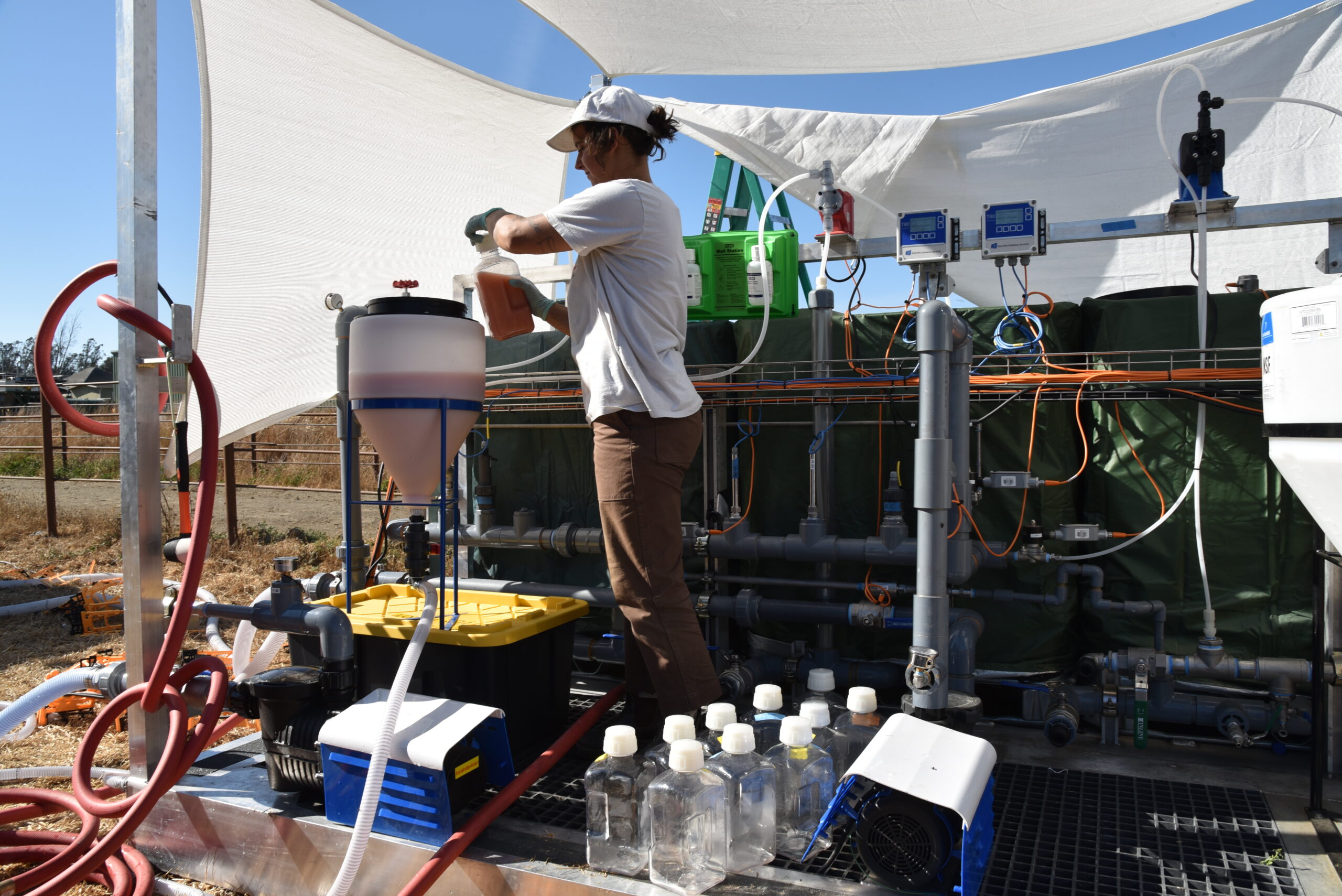
A person wearing a hat, gloves, and work clothes stands at an outdoor research station at Correia Family Dairy, pouring a reddish liquid into a large funnel-shaped container connected to hoses and pipes. Several plastic sample bottles sit on the ground nearby, and shade cloths overhead provide cover. The setup includes pumps, tubing, and monitoring devices, suggesting a water, soil, or nutrient treatment experiment.

These very hungry microbes devour a powerful pollutant

PETALUMA, Calif. — The cows had to be deterred from messing with the
experiment.

Researchers from a Bay Area technology company had come to the sprawling
dairy farm north of San Francisco to test an emerging solution to planetwarming emissions: microscopic pink organisms that eat methane, a potent
greenhouse gas.

Kenny Correia, 35, of Correia Family Dairy, watched the team from Windfall Bio
working near the lagoons used to store manure from the farm’s several hundred
cows. The researchers erected a futuristic system of vats, pipes, tubes and shiny
metal supports. Then, when everything was assembled, they poured pink liquid
into one of the vats. “They were looking like mad scientists out there,” Correia
recounted.

He acknowledged initially thinking it was a “crazy idea” to integrate an outdoor
laboratory into a working farm. There was the potential for the cows to “be all
over it — licking it, pulling out wires and scratching on it,” he said.
But livestock farms are a significant source of methane emissions, and Windfall
wanted to see how much the microbes could help.

Read More »